
Rob Ryan’s Childhood Bonds with Peter and Jamie
In the WoodsThis thread follows Rob’s intense childhood friendship with Peter Savage and Jamie Rowan, the three children’s plan to stay together, and the lasting grief of being the one left behind.
increasing Bearing strength in each event
 decreasing
Bearing strength in each eventdecreasingThree Children of Knocknaree
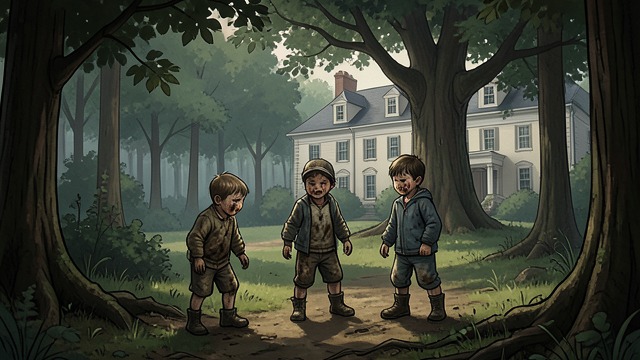
A Shared Kingdom
The Children’s Territory
Rob, Peter Savage, and Jamie Rowan spend their days in the wood behind the Knocknaree estate. Their knowledge of its paths, walls, and clearings gives them the confidence of children who believe their private world will always be there.
Peter is the natural leader, confident and kind; Jamie is physically fearless and reserved with adults; Rob belongs to them as a close companion. Their friendship gives shape to summer, to play, and to the future they imagine without yet understanding how fragile it is.
The Threat of Separation
Jamie is due to leave for boarding school, and the prospect unsettles all three children. When she cries in the ruined castle after learning that the plan is real, Rob feels the betrayal of the adults’ decision as sharply as she does.
Peter proposes that they run away and hide in the wood until it is too late to send Jamie. Rob and Jamie accept, turning loyalty into a plan to resist separation. The decision arises from childish devotion, not from any sense of the danger they are entering.
A Pact to Stay Together
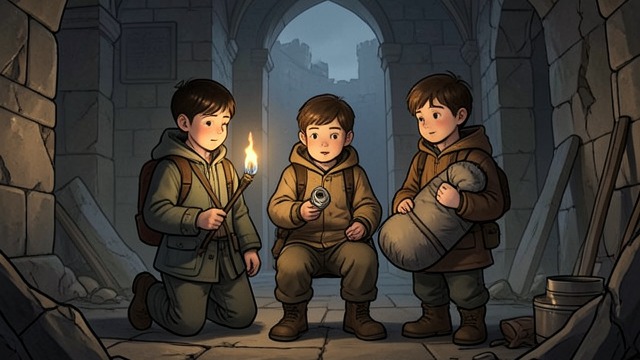
A Promise Among Friends
The Escape Plan
In the ruined castle, Peter lays out a scheme: the three children will collect supplies, leave their parents a misleading note, and hide in different places in the wood. He imagines they can wait out the boarding-school decision and return home later.
Jamie’s determination to stay and Rob’s wish to protect the friendship make the plan emotionally irresistible. Their practical details—food, sleeping bags, torches, and a tin opener—give their fantasy the reassuring texture of a real undertaking.
Rob’s Choice
Rob hesitates because he imagines his mother worrying, but Peter argues that the adults have already misled them about Jamie’s future. Rob agrees to join, identifying himself with the group rather than the family life that is asking him to accept a separation.
The children celebrate the plan with roughhousing and laughter. The moment captures the strength of their bond, but its brightness also makes the later disappearance more devastating: the friends believe they have chosen a temporary adventure, not an irrevocable loss.
The Disappearance
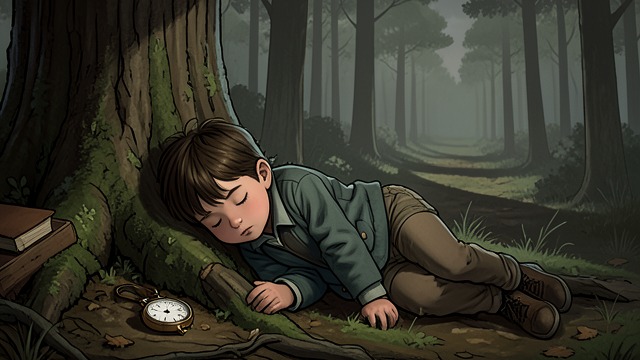
A Friendship Interrupted
The Last Known Afternoon
The three children leave their bicycles behind and go into the wood. Their families expect them back for tea, and the familiar routine makes their absence seem at first like an ordinary delay.
By evening, the families begin searching. Later that night, Rob is found alone, unresponsive beside an oak tree, while Peter and Jamie are gone. The surviving child cannot explain what happened or even remember the stretch of time that separates leaving home from waking in hospital.
The Bond Without an Ending
Peter’s watch is found months later, but neither he nor Jamie is ever recovered. Their families receive no bodies, no explanation, and no opportunity to complete the ordinary rituals of mourning.
Rob becomes the only child brought home, yet survival does not free him from the friendship. As an adult, he has no conscious memory of the disappearance, but Peter and Jamie remain the emotional center of a missing past that he cannot put into words.
Keeping Peter Alive in Memory
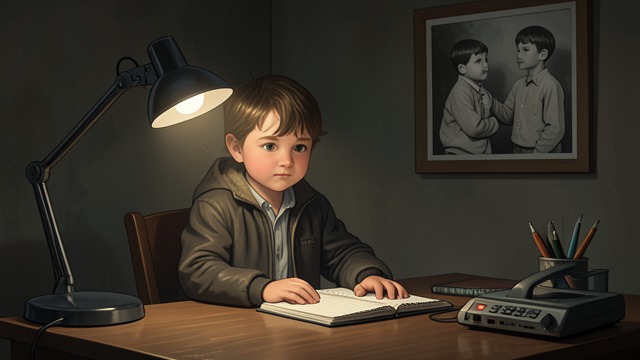
A Brother Invented
Imagined Continuity
At boarding school, Rob is homesick and believes, without being able to explain it clearly, that he was sent away because Peter and Jamie disappeared. He imagines Peter still alive and places him in stories for his classmates, even claiming they are twins.
A photograph of Rob and Peter becomes a private anchor: Rob remembers their shared games and invents adventures that keep Peter present in other people’s minds. He gives up the story when it threatens to expose his secret, but regrets losing the small comfort it offered.
Friendship as Refuge
Rob’s longing is not simply for the past as a place. He wants the people who made that past real, and he imagines their return as the condition for being allowed to go home himself.
The invented twin story shows how deeply Peter’s absence has entered Rob’s sense of identity. Even when he cannot remember the day Peter vanished, he keeps trying to preserve the relationship by giving it a continuing life in imagination.
The Last Bright Memory
A Single Moment Kept
Memory Falls Away
During Operation Vestal, Rob briefly recovers memories of Peter and Jamie, including their games, their escape plan, and the violence he witnessed in the wood. After the investigation, those recovered scenes fade again, leaving him with only the knowledge that he once remembered them.
Rob interprets the loss as a consequence of what he has done: he feels that he has forfeited the right to his childhood memories. The disappearance therefore continues to shape his identity even when the memories themselves can no longer be retrieved.
The Celebration That Remains
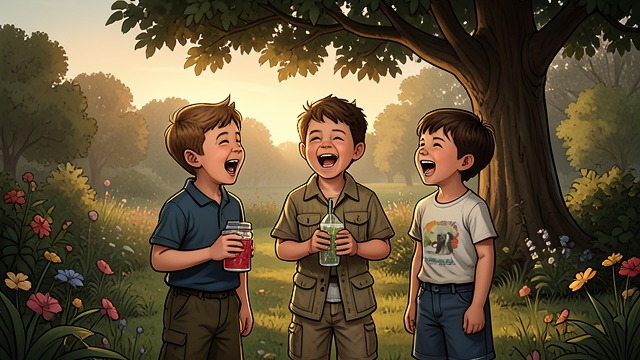
One memory survives: Jamie rushes into Peter’s garden to announce that she is staying home after all. The three children tumble together, celebrate with food and fizzy drinks, and shout their happiness at the wood.
The scene remains sharp, warm, and unmistakably Rob’s. It cannot explain what happened later or restore either friend, but it preserves a moment when their bond seemed capable of defeating separation. The one memory he keeps is not the trauma but the joy they shared.
The summer of 1984, before Jamie’s planned departure
The afternoon the children decide to run away
14 August 1984, after the children enter the wood
Rob’s first years at boarding school
After Operation Vestal, when Rob revisits the past in isolation
